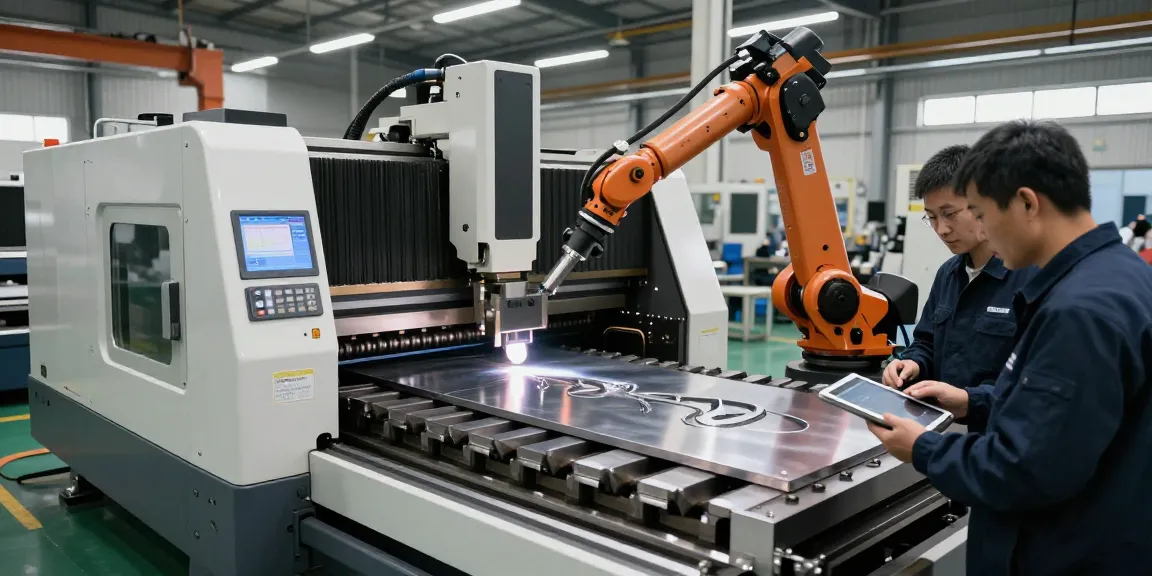
Understanding the CNC Press Brake Machine Technology
The CNC press brake machine is an essential tool for modern manufacturing, renowned for its precision and versatility in metal forming. By leveraging computer numerical control (CNC) technology, these machines streamline the process of bending sheet metal into intricate shapes and forms. This article dives deep into the core components, configurations, applications, and operational best practices associated with CNC press brake machines, especially focusing on the cnc press brake machine from SC SHENCHONG, a leader in the industry.
What is a CNC Press Brake Machine?
A CNC press brake machine is a type of bending equipment that uses a hydraulic or mechanical system to apply force to a metal sheet. Its main purpose is to create precise bends at specified angles, which is crucial in various manufacturing processes. Unlike traditional press brakes, CNC machines are operated by computer programs, allowing for highly repeatable and intricate designs across multiple workpieces.
Core Components and Their Functions
Understanding the architecture of a CNC press brake machine is critical for optimizing its use and maintenance. The fundamental components include:
- Hydraulic System: It provides the necessary pressure to the ram, allowing for substantial force on the metal sheets.
- CNC Controller: This is the brain of the machine, controlling the operations through programmed instructions related to bend angles, sequences, and other parameters.
- Backgauge: It helps position the metal sheet accurately for consistent bending results, adjusting automatically based on the programmed measurements.
- Tooling: Bending dies and punches are vital for achieving the desired shape and angle in the sheet metal, and their quality directly impacts the effectiveness of the bending process.
- Safety Devices: Modern CNC press brakes incorporate various safety features to protect operators, including light curtains, emergency stops, and physical barriers.
Benefits of CNC Technology in Metal Shaping
The integration of CNC technology into press brake operations enhances capabilities significantly. Some key benefits include:
- Precision: CNC press brakes can achieve bending accuracies up to ± 0.01 mm, vital for industries requiring stringent specifications.
- Efficiency: These machines reduce setup times and waste, allowing for quicker production cycles.
- Versatility: They can handle a wide variety of materials and thicknesses, from simple aluminum sheets to complex stainless steel configurations.
- Automation: With components like automated backgauges and robotic feeding systems, manufacturers can streamline workflows for enhanced productivity.
Configuration Options for Maximizing Efficiency
Configuring a CNC press brake properly is crucial for maximizing efficiency and output. This section delves into the various configurations that manufacturers can consider when investing in this technology.
Standard and Optional Axis Configurations
The standard configuration for most CNC press brakes, such as those from SC SHENCHONG, typically includes a 4+1 axis setup. This means the CNC system controls:
- Y1 and Y2 Axes: Control the vertical movement of the ram.
- X Axis: Controls the forward and backward position of the backgauge.
- R Axis: Manages the up and down motion of the backgauge.
- V Axis: Ensures table crowning for optimal pressure distribution.
Optional configurations can include additional axes such as 6+1 or 8+1 for more complex bending operations. This flexibility allows manufacturers to customize their machinery to specific production needs.
Customizable Features for Specific Applications
Customization features in CNC press brakes can significantly enhance operational capacity. Features such as programmable backgauges, tailored tooling options, and software for more complex bending profiles enable manufacturers to meet diverse market demands.
Integration with Robotic Systems
Integrating CNC press brakes with robotic systems is a game-changer in automation. Robots can handle sheet metal loading and unloading, allowing human operators to focus on higher-value tasks. Furthermore, the combination of robotic arms with CNC controls can facilitate simultaneous operations, leading to even greater efficiency and throughput.
Applications of CNC Press Brake Machines in Industry
The versatility of CNC press brake machines allows them to be utilized across various sectors. Here, we explore some critical industries that benefit from this technology.
Manufacturing and Metalworking Industries
In manufacturing, CNC press brakes are indispensable for creating components in various industries including electronics, machinery, and consumer goods. Their precision capability ensures that parts fit perfectly during assembly, which is essential for quality control.
Aerospace and Automotive Applications
The aerospace and automotive industries demand the highest levels of precision and consistency. CNC press brakes enable manufacturers to produce intricate parts that meet stringent regulatory standards, resulting in safe and reliable final products. For example, the production of bracket seats in automotive applications necessitates exact bending, which CNC technology can provide.
Challenges and Solutions in Component Manufacturing
While CNC press brakes offer numerous advantages, they also present challenges such as technical skill requirements and maintenance costs. However, investing in comprehensive training and regular maintenance schedules helps mitigate these issues, ensuring the longevity and reliability of the machines.
Best Practices for Operation and Maintenance
To ensure efficiency and safety when operating CNC press brake machines, it is essential to follow best practices regarding operations and maintenance.
Optimizing Performance with Regular Maintenance
Regular maintenance of CNC press brake machines includes lubricating moving parts, checking hydraulic systems, and inspecting tooling for wear. Creating scheduled maintenance plans helps in avoiding unexpected downtimes and increases the machine’s lifespan.
Ensuring Safety Protocols are Followed
Adhering to safety protocols protects not only the equipment but also the workforce. Operators should receive thorough training on machine operation, emergency procedures, and the importance of using personal protective equipment (PPE).
Data Analysis for Continuous Improvement
Tracking performance data helps in identifying areas for process improvement. Utilizing data analytics can provide insights into operational efficiency, making it easier to implement strategies for enhancing the production process continuously.
Future Trends in CNC Machinery
The rapid advances in technology are reshaping the landscape of CNC machinery. Understanding future trends can help manufacturers stay competitive and effectively leverage new capabilities.
Advancements in Automation and AI
The incorporation of artificial intelligence and machine learning algorithms into CNC programming and operation is poised to revolutionize manufacturing. Smart algorithms can predict wear and assist in scheduling maintenance, while also optimizing bending processes in real-time.
Sustainability in Manufacturing Practices
As sustainability becomes a global focus, manufacturers are increasingly adopting eco-friendly practices, including energy-efficient CNC press brakes. By reducing energy consumption and emissions, companies can align themselves with sustainability goals while potentially decreasing operational costs.
Emerging Technologies in CNC Systems
Technologies such as IoT and cloud computing are beginning to play a significant role in CNC systems. With IoT connectivity, machines can share data regarding performance, leading to smarter manufacturing systems capable of self-optimizing for increased efficiency and reduced waste.
FAQs
How does a CNC press brake machine work?
A CNC press brake machine functions by using a CNC controller to automate the bending process. The controller interprets programmed parameters and moves the ram down to apply force on the metal sheet, bending it to a precise angle.
What are the key features to look for in a CNC press brake?
Key features include accuracy specifications, axis configuration, safety systems, compatibility with automation, and customization options for tooling and software support for seamless operation.
Can CNC press brake machines be integrated with other machinery?
Yes, CNC press brake machines can be integrated with various types of equipment, such as robotic systems for loading and unloading or other CNC machines to create a fully automated workflow.