The Rise of Asian Culture in Spanish-Speaking Communities
In recent years, there has been a remarkable growth in the interest towards Asian culture within Spanish-speaking communities. This burgeoning curiosity encompasses various aspects, including music, film, fashion, and cuisine. The globalization of media and the advent of social networks have played a pivotal role in this cultural exchange, enabling a deeper understanding and appreciation of Asian traditions among the Hispanic population. For those exploring these dynamics further, https://hanadultalk.com offers insightful content that bridges these cultural experiences.
Understanding the Influences of Asian Pop Culture
Asian pop culture, particularly from countries like South Korea, Japan, and China, has significantly influenced global trends, and its impact on Spanish-speaking countries is undeniable. K-pop, anime, and dramas have transcended linguistic barriers, captivating audiences with their unique storytelling and vibrant aesthetics. The rise of platforms such as YouTube, TikTok, and streaming services has facilitated the rapid spread of this content, allowing fans to engage with it actively.
Moreover, the digital landscape provides opportunities for fans to discuss and share their love for Asian media, creating strong communities. This interactivity fosters a sense of belonging among fans who share similar interests, regardless of geographical boundaries. The fusion of these cultural elements not only entertains but also educates audiences about the rich tapestry of Asian heritage.
The Role of Social Media in Cultural Exchange
Social media platforms have revolutionized how cultural content is shared and consumed. Channels dedicated to K-drama reviews, anime analysis, and culinary explorations of Asian cuisine have grown exponentially. These platforms not only disseminate information but also create spaces where cultural exchange flourishes. Users can comment, share, and even create their own content, blurring the lines between passive consumption and active participation.
In Spanish-speaking communities, influencers and content creators who disseminate Asian cultural content have become pivotal in shaping perceptions. They help demystify cultural nuances, bridging gaps of understanding. As a result, audiences are not only entertained but are also educated on issues surrounding identity, cultural appropriation, and global interconnectedness.
Changing Perspectives: From Curiosity to Celebration
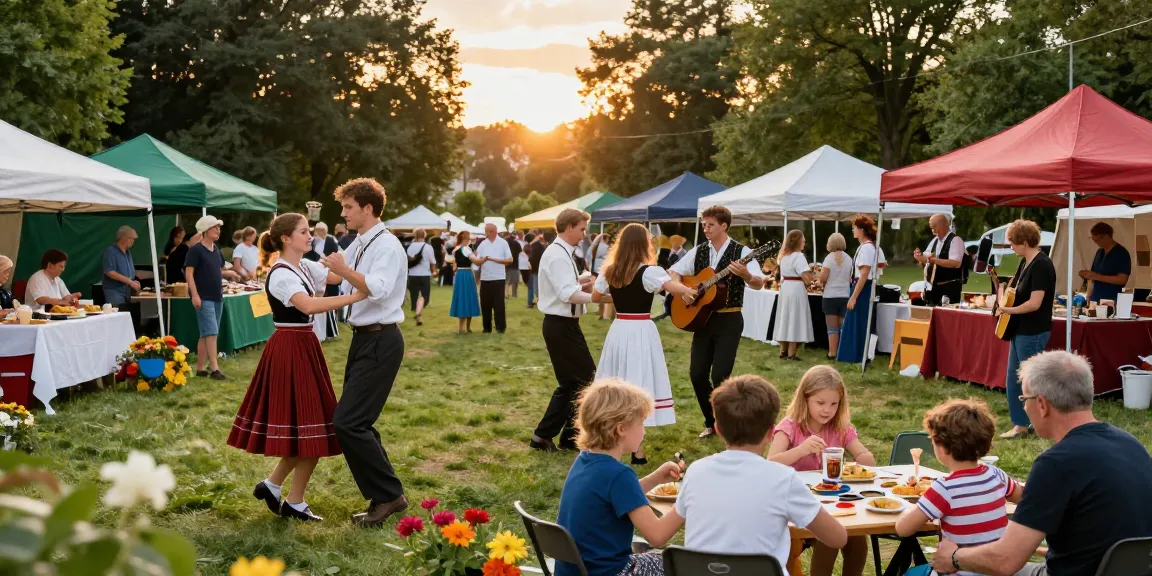
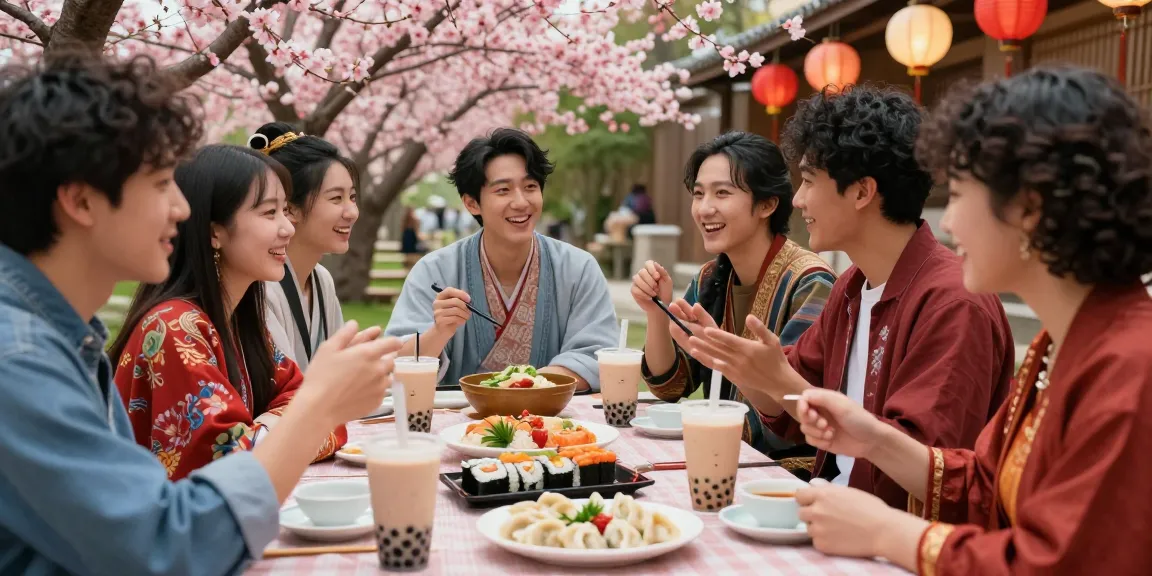
The initial curiosity surrounding Asian culture has evolved into a celebration of its diversity. Events commemorating Asian heritage, such as food festivals and cultural showcases, are increasingly popular in cities with significant Hispanic populations. These gatherings promote dialogue, foster friendships, and allow individuals to experience these cultures firsthand.
As Spanish-speaking audiences embrace Asian culture, we see a shift from viewing it as an exotic novelty to recognizing its rich contributions to global culture. This transformation encourages a more nuanced understanding and appreciation, leading to collaborative projects between artists from both cultures. The merging of traditional and contemporary influences can result in unique artistic expressions that celebrate both heritages.
Navigating Cultural Content in a Bilingual Environment
Engaging with cultural content in a bilingual context can be empowering for Spanish speakers who wish to explore Asian media. This dual engagement enables individuals to connect with a broader range of narratives and artistic expressions. However, it also presents challenges regarding language proficiency and cultural understanding.
How to Access Asian Cultural Content in Spanish
Accessing Asian cultural content in Spanish is more straightforward than ever, thanks to a plethora of resources available online. Streaming services now provide subtitles and dubbing options in Spanish for many Asian films and series, bridging the language gap. Additionally, social media platforms and blogs dedicated to Asian culture often feature content translated into Spanish, making it accessible to a wider audience.
Communities and forums created around Asian culture provide invaluable insights and recommendations for newcomers. This peer-to-peer sharing fosters a culture of learning, where individuals can discover new shows, music, and culinary recipes, enriching their experience further.
Strategies for Learning Spanish Through Asian Media
For those interested in learning Spanish while indulging in Asian media, integrating language study into entertainment can be highly beneficial. Watching K-dramas or Japanese anime with Spanish subtitles can enhance vocabulary and comprehension skills. Combining entertainment with education creates a motivational environment where language learners can thrive.
Additionally, discussing themes, characters, and cultural references found in these media can reinforce language skills. Engaging in such dialogues within community groups or online platforms encourages language use in authentic contexts, making learning more enjoyable.
Best Practices for Engaging with Diverse Cultures
Engaging with diverse cultures requires an intentional approach to ensure respect and appreciation for the traditions being explored. It involves recognizing the difference between appreciation and appropriation, understanding cultural contexts, and engaging with people from those cultures.
To foster meaningful cross-cultural interactions, it is important to approach learning with an open mind and a willingness to listen. Participating in cultural events and workshops can deepen insights and create connections that transcend mere curiosity.
Highlighting Popular Asian Entertainment Trends
As globalization continues to reshape cultural landscapes, several Asian entertainment trends are gaining traction in Spanish-speaking communities. These trends not only illustrate the diversity within Asian culture but also highlight the intersections of different cultural influences.
Top K-dramas and Their Impact on Viewers
K-dramas have emerged as a dominant force in the global entertainment industry, captivating audiences with their compelling narratives and relatable characters. Shows like “Crash Landing on You” and “Squid Game” have become cultural phenomena, often discussed in Spanish-language media as they appeal to the emotions and experiences of viewers.
These dramas often tackle themes of love, family, and societal issues, making them relatable to a variety of audiences. Their unique storytelling approaches invite discussions among viewers, who may share personal reflections and cultural perspectives, enriching their viewing experience.
Exploring Japanese Anime and Its Global Appeal
Anime from Japan has seen unparalleled success and popularity around the world, with titles like “Attack on Titan” and “My Hero Academia” leading the charge. The rich art style, intricate plots, and character development make anime a captivating medium for viewers of all ages.
Spanish-dubbed and subtitled versions of anime are widely available, allowing non-Japanese speakers to indulge in this creative art form. The themes often explored in anime, such as friendship, perseverance, and self-discovery, resonate deeply, fostering discussions and community building among fans.
Understanding the Phenomenon of Asian Cuisine
Asian cuisine, particularly dishes from Japan, Korea, and Thailand, has gained widespread popularity in Spanish-speaking countries. Culinary shows and food blogs featuring Asian recipes have made it easier for enthusiasts to recreate these dishes at home, igniting culinary curiosity.
Food festivals celebrating Asian culinary traditions further amplify this trend, allowing attendees to sample authentic dishes and learn about the cultural significance behind them. This culinary exploration helps solidify cultural ties and foster understanding, breaking down barriers that may exist.
Building a Community Around Shared Interests
Creating spaces for dialogue and discussion is essential in fostering community among individuals who share an interest in Asian culture. Such environments allow for the exchange of ideas and experiences, enhancing everyone’s understanding and appreciation.
Creating Spaces for Dialogue and Discussion
Physical and virtual spaces dedicated to cultural discussions, such as community centers or online forums, encourage individuals to share their experiences and knowledge. These spaces provide safe environments where participants can express their thoughts without judgment, enhancing cultural understanding.
Organizing club meetings or discussion panels centered around specific themes—like K-pop or anime—can attract diverse audiences and incite dynamic conversations that enrich the community’s cultural fabric.
Leveraging Online Platforms for Cultural Engagement
Social media platforms and online forums serve as vital tools for cultural engagement. They allow for instant communication and connection, enabling users to share content, resources, and insights about Asian culture.
Engagement through these channels can lead to the formation of clubs and groups that gather both virtually and in-person, emphasizing shared interests in Asian media. Such collaborative efforts can further cultural appreciation and understanding among diverse audiences.
Hosting Events: Bringing Cultures Together
Hosting events that celebrate Asian culture can significantly enhance community bonds. Cultural fairs, film screenings, and food tastings serve as catalysts for cultural exchange, allowing attendees to immerse themselves in the traditions of Asia.
These gatherings not only increase awareness but also provide platforms for local artists and creators to present their work, fostering a deeper appreciation of the richness of Asian culture. The fusion of multiple cultures through such initiatives can pave the way for innovative collaborations and artistic expressions.
The Future of Cultural Exchange and Content Consumption
The future of cultural exchange promises to be exciting, with advancements in technology and shifting audience demands leading the way. As more people become interested in Asian culture, we can anticipate significant changes in how content is created, shared, and consumed.
Predictions for Asian Influence in 2026 and Beyond
By 2026, Asian culture is expected to have an even more prominent influence on global trends, particularly in fashion, technology, and entertainment. As upcoming generations continue to break down cultural barriers, we may witness a surge in collaborative projects that incorporate both Asian and Hispanic influences.
The incorporation of advanced technologies in content creation—such as virtual reality—could further enhance the immersive experience for audiences, allowing them to engage with cultures like never before.
Emerging Trends in Bilingual Cultural Platforms
The rise of bilingual media platforms dedicated to Asian culture will become more pronounced. These platforms will cater specifically to Spanish-speaking audiences, providing them with access to a range of cultural content that reflects their interests and preferences.
As these platforms develop, we may see more content creators emerge who specialize in cross-cultural narratives, blending elements from both Asian and Hispanic cultures. Such collaborations will likely elevate the quality and scope of cultural content available.
How to Sustain Engagement with Evolving Content
To sustain engagement, cultural platforms must remain adaptable and responsive to audience needs. This includes continuously updating content and exploring fresh narratives that resonate with evolving cultural interests.
Encouraging audience participation through feedback mechanisms and interactive content can further enhance engagement, allowing platforms to cater directly to their viewers’ preferences while fostering a community of active participants.
What are the best practices for bilingual cultural engagement?
Best practices for bilingual cultural engagement include respecting cultural contexts, promoting active participation, and fostering open discussions. Building safe and inclusive spaces for dialogue allows individuals to share personal experiences and learn from others.
How can I learn Spanish while enjoying Asian culture?
You can learn Spanish by immersing yourself in Asian media, such as watching K-dramas or anime with Spanish subtitles or dubbing. Engaging in conversations about the content with others can also enhance language skills in a fun and interactive way.
What Asian media should I explore as a Spanish speaker?
As a Spanish speaker, exploring popular K-dramas, anime series, and Asian culinary shows will enrich your cultural knowledge. Participating in community discussions about these media will further enhance your understanding and appreciation.
How to create an inclusive cultural community?
Creating an inclusive cultural community involves recognizing and valuing diverse backgrounds, fostering open conversations, and focusing on shared interests. Organizing events and creating platforms for dialogue can help facilitate this process.
What future trends can we expect in cultural content?
Future trends in cultural content will likely include a rise in collaboration between cultures, an increase in bilingual media platforms, and enhanced engagement through technology, such as virtual reality. These developments will create more immersive and interactive cultural experiences for audiences.