Understanding Image To Image Technology
In the rapidly evolving world of digital media, the intersection of artificial intelligence and image processing is creating transformations that were once considered science fiction. One of the most pivotal advancements in this field is known as Image To Image technology. This innovation empowers users to convert images from one form to another, enhancing their quality or altering their attributes through sophisticated algorithms. When exploring options, Image To Image technologies present comprehensive insights into how these transformations can revolutionize industries.
What is Image To Image Technology?
Image To Image technology refers to a range of techniques and tools that enable the transformation of images from one style or format to another. This technology employs advanced machine learning algorithms, particularly generative adversarial networks (GANs), to learn the characteristics of images and replicate or reimagine them in different contexts. The implications of this technology are vast, spanning across fields such as graphic design, video game development, augmented reality, and more.
The Evolution of Image Processing Techniques
Image processing has evolved significantly since the inception of computer graphics. Early methods focused primarily on image enhancement techniques, such as filtering and correcting color balances. The introduction of machine learning has paved the way for more advanced systems that can learn from extensive datasets. In particular, GANs, introduced by Ian Goodfellow in 2014, have transformed how we approach image generation by enabling systems to create new instances of images that are indistinguishable from real photographs.
Applications of Image To Image Transformations
The applications of Image To Image transformations are as diverse as they are impactful. Some notable applications include:
- Art Generation: Artists leverage Image To Image technology to create stunning artworks that blend various styles, producing unique pieces that reflect multiple influences.
- Facial Recognition: In security and law enforcement, image transformation tools are vital for enhancing the clarity and detail of facial images.
- Augmented Reality: AR applications utilize these technologies to layer virtual objects onto real-world images seamlessly.
- Medical Imaging: In healthcare, these transformations help in improving diagnostic images, enhancing the visibility of specific structures within the body.
Top Image To Image Tools in the Market
Comparative Analysis of Leading Software
As the demand for Image To Image technology grows, numerous tools have emerged that cater to various user needs. Popular options include:
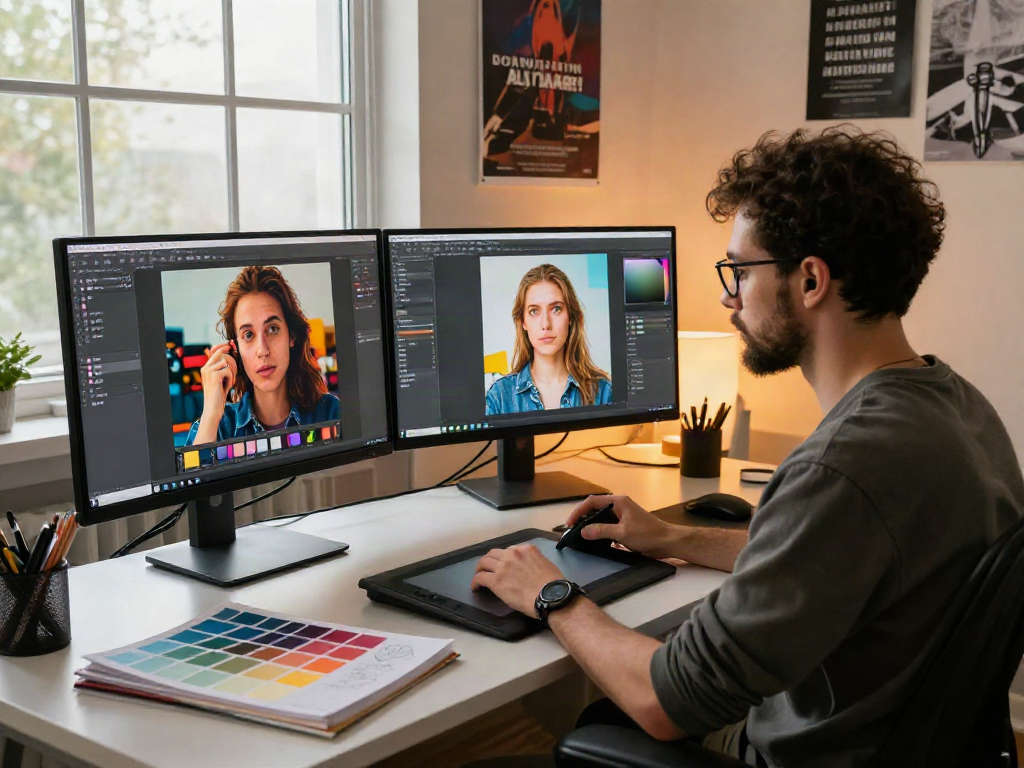
- Adobe Photoshop: Known for its robust capabilities, Photoshop has incorporated AI tools that allow users to manipulate images effortlessly.
- DeepArt: This tool uses style transfer algorithms to apply the style of one image to another, ideal for artists looking to create visually striking designs.
- RunwayML: Aimed at creatives, RunwayML provides users with straightforward access to advanced generative models that facilitate real-time video and image transformations.
Feature Breakdown: What to Look For
When selecting an Image To Image tool, consider features such as:
- User-Friendliness: An intuitive interface can significantly enhance the user experience, especially for those new to image processing.
- Collaboration Features: Tools that support collaborative features allow users to work together on projects seamlessly.
- Output Quality: High-resolution outputs are crucial for maintaining image fidelity during transformations.
- Integration Capabilities: Check if the software can integrate with other tools you use, enhancing its functionality.
User Reviews and Feedback
User feedback is invaluable for gauging the effectiveness of various Image To Image tools. While reviews often highlight the powerful capabilities of software like Adobe Photoshop, they may also note the steep learning curve associated with advanced features. Platforms such as Reddit and specialized photography forums often provide insights into users' experiences, helping potential buyers make informed decisions.
Best Practices for Effective Image Transformations
Steps to Optimize Images for Better Results
To achieve optimal results with Image To Image technology, follow these best practices:
- Start with High-Quality Images: The quality of your input image significantly affects the output. Always use high-resolution files.
- Experiment with Different Settings: Many tools allow you to tweak settings. Experiment to find the best combination for your needs.
- Utilize Training Data: If the program allows, utilize large datasets to train the model for more personalized results.
- Iterate: Perform multiple iterations of transformations to refine the output gradually.
Common Mistakes to Avoid
While working with Image To Image technology, it's crucial to avoid common pitfalls:
- Ignoring Input Quality: Low-quality images will yield subpar results, regardless of the sophistication of the tool.
- Rushing the Process: Image transformations can take time to perfect; skipping steps often leads to disappointing results.
- Neglecting Feedback: Not seeking feedback from peers or users can limit your ability to improve and refine your work.
Real World Examples of Successful Transformations
Numerous case studies illustrate the power of Image To Image technology. For example, a fashion brand may use these tools to generate a catalog that showcases garments in various colors and patterns without the need for extensive photoshoots. Similarly, a real estate agency can enhance property listings by transforming mundane images into visually captivating representations, ultimately selling properties faster.
Future Trends in Image Processing
Emerging Technologies Shaping the Industry
The landscape of image processing is continually evolving, with emerging technologies set to redefine the possibilities of Image To Image transformations. These include:
- Enhanced Generative Models: Future iterations of GANs will likely become more sophisticated, allowing for even more realistic image generation.
- Automated Editing Tools: Advancements in AI will lead to tools that can automatically edit images based on contextual understanding.
- Real-Time Processing: As computing power increases, real-time image transformations will become more feasible, enabling instant edits during live events or broadcasts.
Predictions for 2026 and Beyond
By 2026, it’s anticipated that Image To Image technology will be ubiquitous across various sectors. From personalized marketing materials that adapt based on consumer behavior to real-time enhancement of user-generated content on social media, the possibilities are virtually endless. Moreover, as more industries integrate these technologies, ethical considerations surrounding usage and consent will become paramount.
The Impact of Artificial Intelligence on Image Transformations
The integration of artificial intelligence in Image To Image processes is revolutionizing how we interpret and manipulate images. AI-driven tools will not only automate many mundane tasks but will also enable users to achieve results that were previously thought impossible. As machine learning continues to advance, expect more personalized, context-aware transformations that cater specifically to user needs.
Frequently Asked Questions
How does Image To Image technology differ from traditional image editing?
While traditional image editing focuses on manual adjustments and enhancements, Image To Image technology leverages AI to create entirely new images or styles based on existing ones, offering a more extensive range of creative possibilities.
What industries benefit the most from image-to-image applications?
Industries such as fashion, real estate, gaming, and medical imaging have seen significant benefits from Image To Image applications, using this technology to enhance visual appeal and accuracy in their respective fields.
Are there free tools available for Image To Image transformations?
Yes, several free tools are available that offer basic Image To Image functionalities. Tools such as DeepArt and various online style transfer applications allow users to experiment with image transformations without a financial commitment.
What are the common use-cases for Image To Image technology?
Common use-cases include transforming photographs into artistic styles, enhancing medical imaging for better diagnostics, and generating marketing materials that resonate with specific audiences.
How to choose the right Image To Image tool for my needs?
Selecting the right tool depends on your specific requirements, such as the desired output quality, ease of use, and the types of transformations you intend to perform. It's advisable to review user feedback and conduct trials where possible.